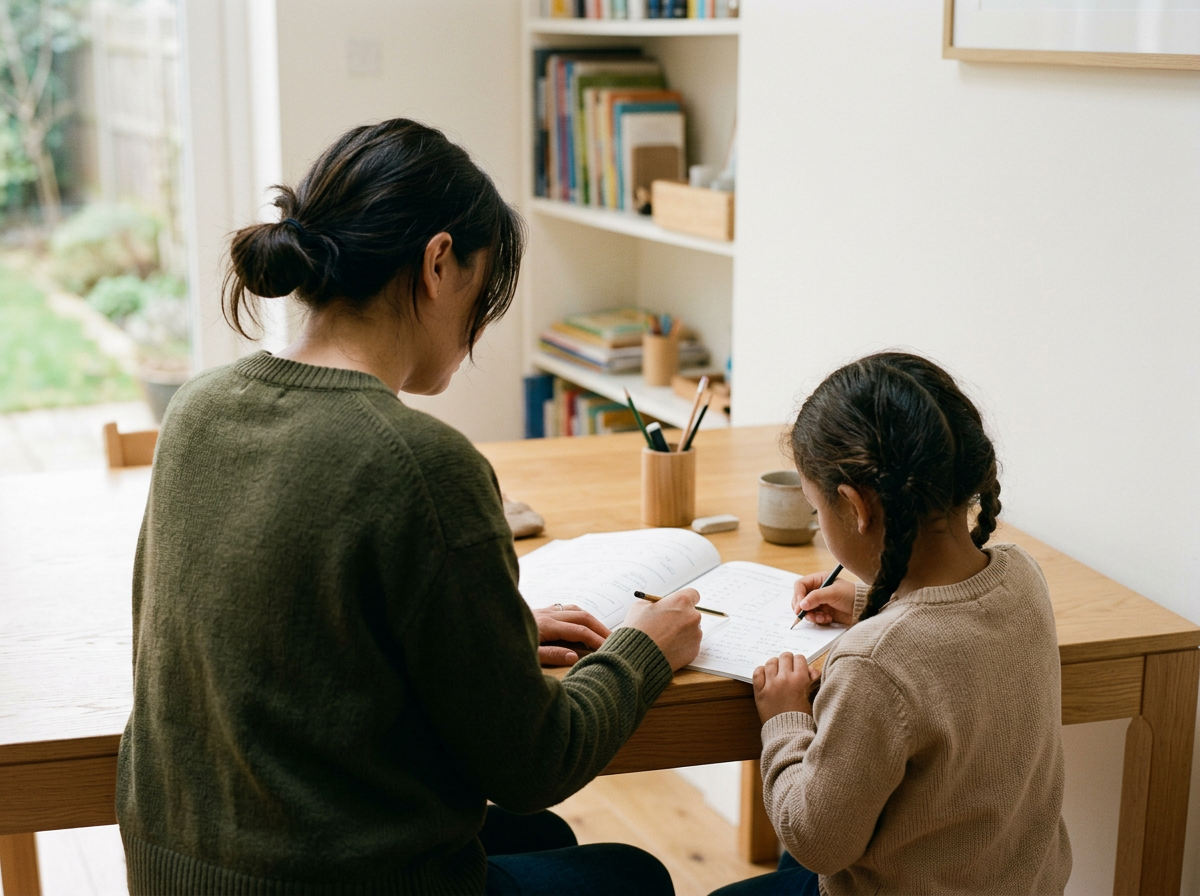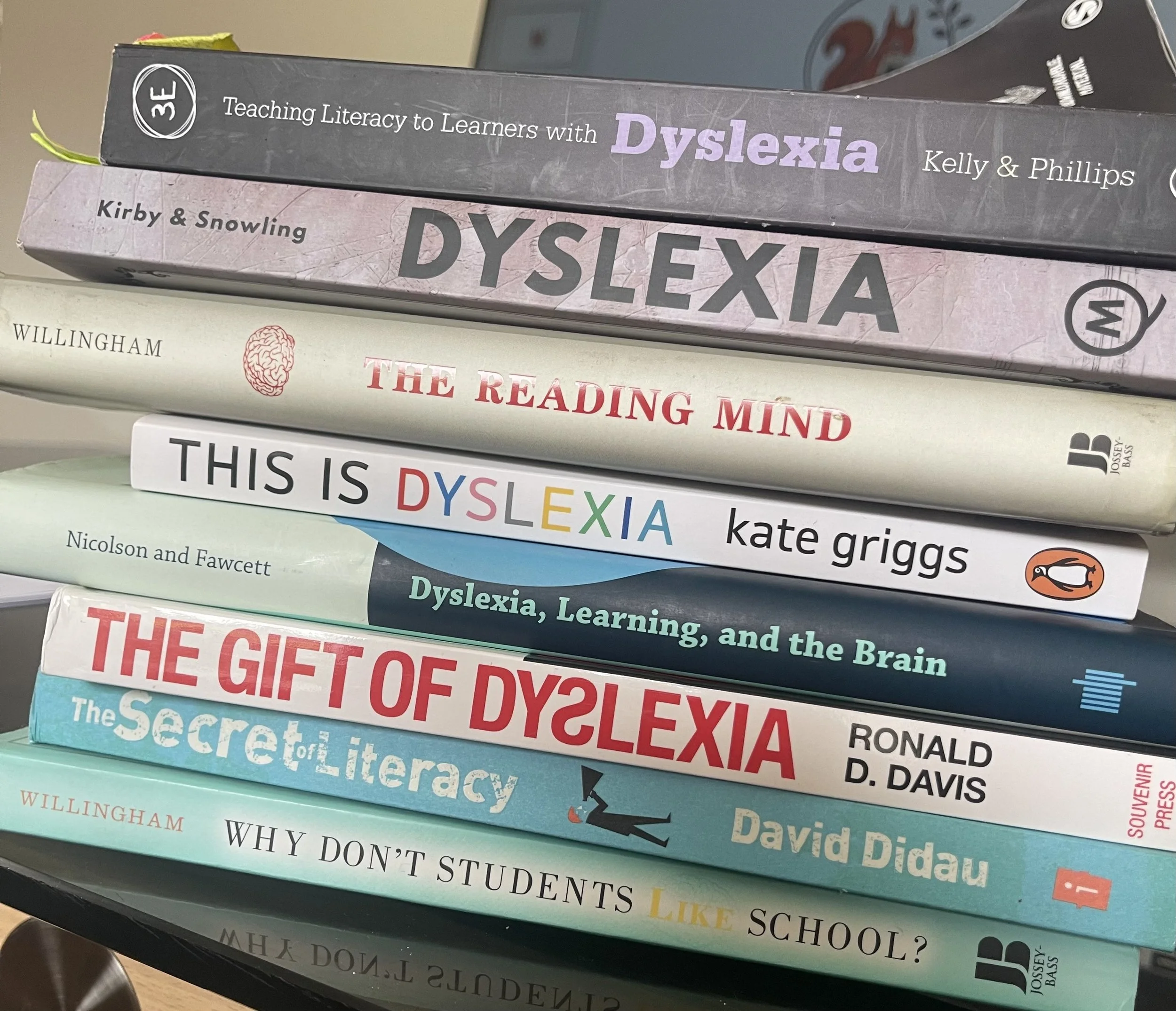
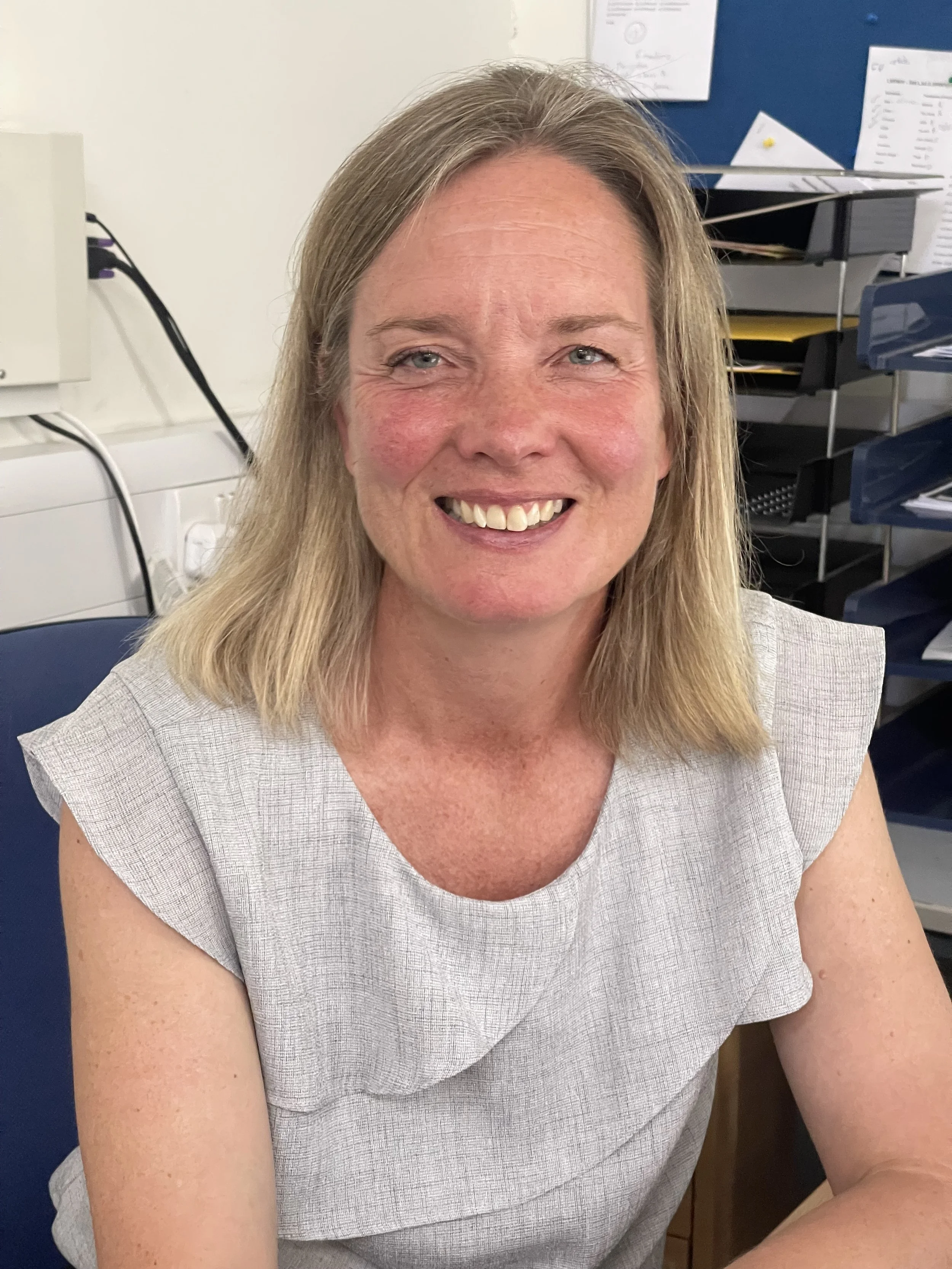
I’ve been a successful teacher for 30 years in a wide variety of settings and am a qualified specialist dyslexia teacher and assessor. Dyslexia and literacy difficulties shouId not be a barrier to learning and I’m determined to help all young people achieve their potential. I view education holistically and have always been involved in co-curricular activities such as music, D of E and sport as a way to nurture and build confidence. I support all individuals to flourish, through cultivating their best attributes and empowering them with strategies to shine. I’m based in Lancaster, Lancashire, in the North West of England and offer services face-to-face and online.
BA Hons in History (Durham)
PGCE (Secondary History, Durham)
MA in Education (Edge Hill)
PG Cert in Careers Education (Cambridge)
PG Cert SPLD Dyslexia (Edge Hill)
AMBDA and ASC Accredited (British Dyslexia Association)

My mission is to enable all learners to flourish through a personally tailored programme of appropriate assessment, tutoring and mentoring.
“We really do appreciate the time and effort that has gone into tutoring, testing and identifying his needs. Thank you for everything you have done.”
— Parent of a 13 year old, January 2026
Dyslexia: FAQs
1. What are the signs of dyslexia?
2. What is the difference between a dyslexia screening and a full diagnostic report?
3. Why do you not assess under the age of 8?
4. Why do I need to ensure the person being assessed has had an eyesight test before the assessment?
5. If my child has dyslexia, will they automatically get extra time or other adjustments in exams?
6. If I have a full diagnostic assessment and my child is found to have dyslexia, what can I expect from the school in terms of support?
7. Can my child be assessed if English isn’t their first language?
8. What is a diagnostic assessment like?
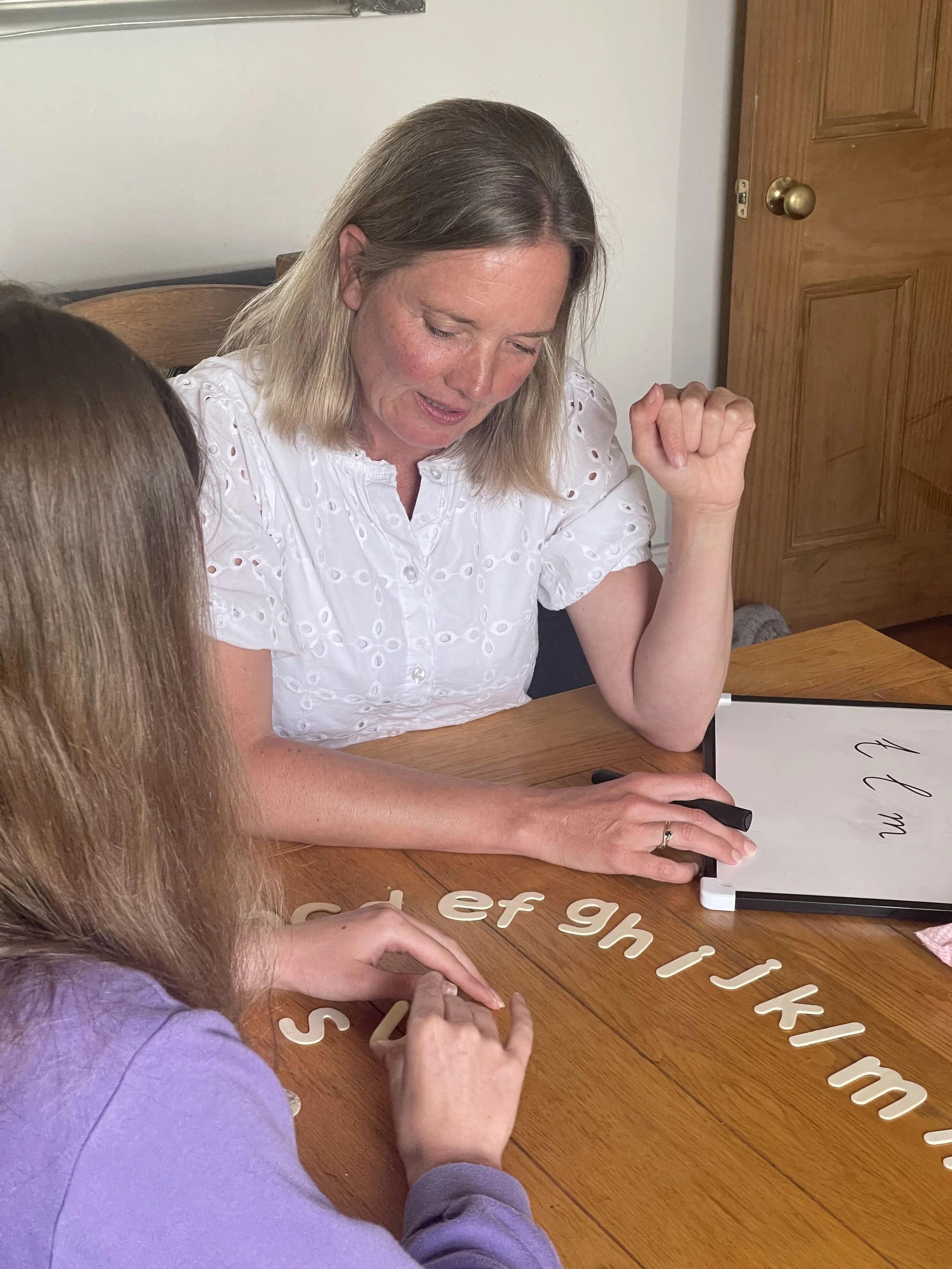
9. What is specialist dyslexia teaching like?